Humanity Calendar
We Want to Discover
Research Questions
1.How does our selected collection relate to our own lived experience(s)?
Data processing: Key data (e.g., year of entry, time of graduation, training hospital, etc.) were extracted from nurse training registers from 1910 to 1972.
Compare with the current nursing education system to analyse changes in training pathways and requirements.
Visualisation:
1.Create a timeline to show the evolution of the nurse training system.
2.Create a comparison chart to compare training requirements and curriculum from different eras.
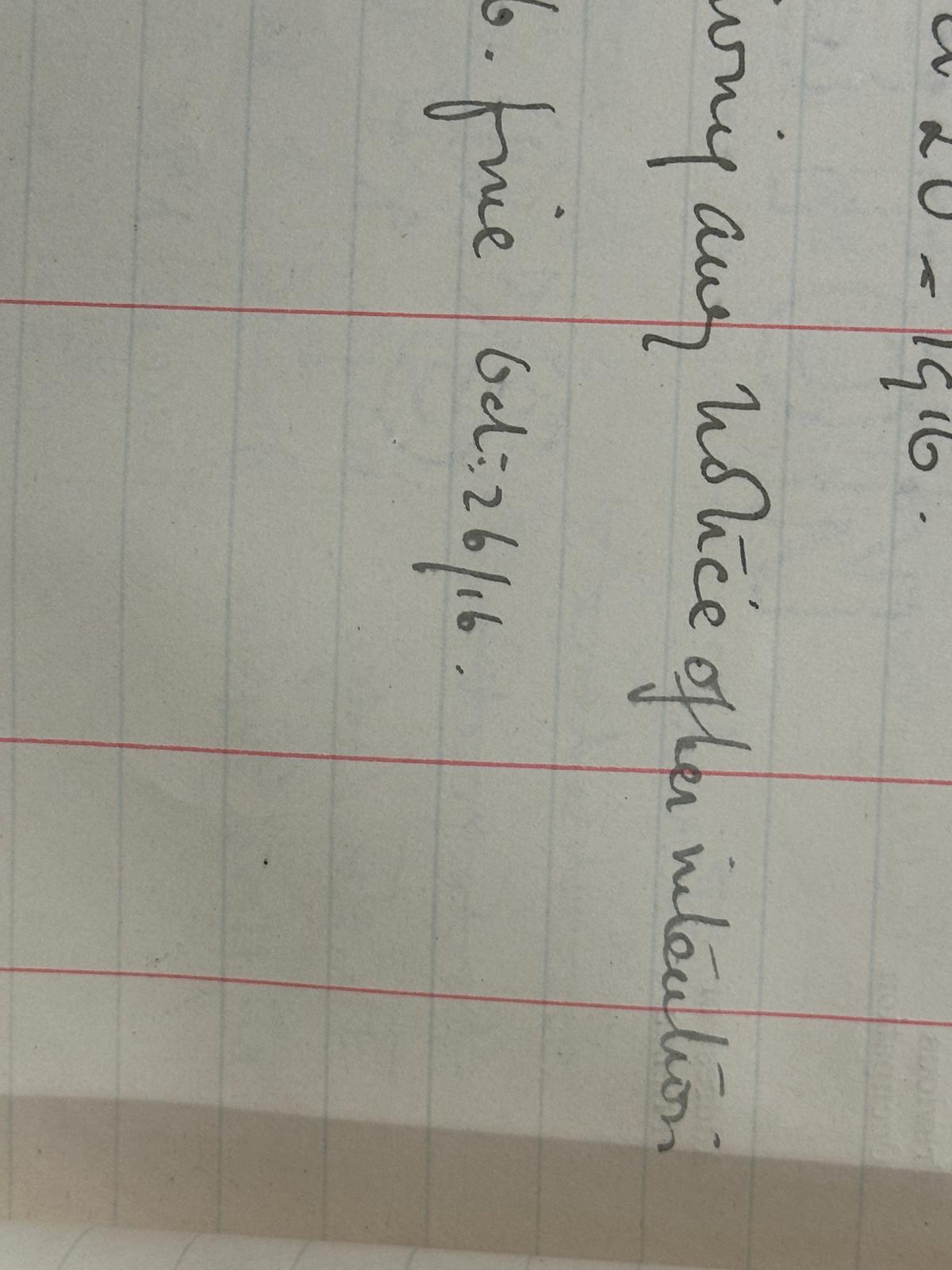
2.How might others’ experiences of this collection differ from my own? Why might this be the case?
Immigration PolicyResearch direction:analyse the geographical distribution, gender and social background of nurses in the archive to explore the impact of social structures on the nursing profession.
Data processing: extract information on nurses' place of birth, training hospital and gender.
Analyse the differences in training and career development of nurses from different regions and backgrounds. Data Capture
Visual presentation:
1.Create maps to show the geographical distribution and mobility of nurses.
2.Create charts to analyse the impact of gender ratio and social background on career development.
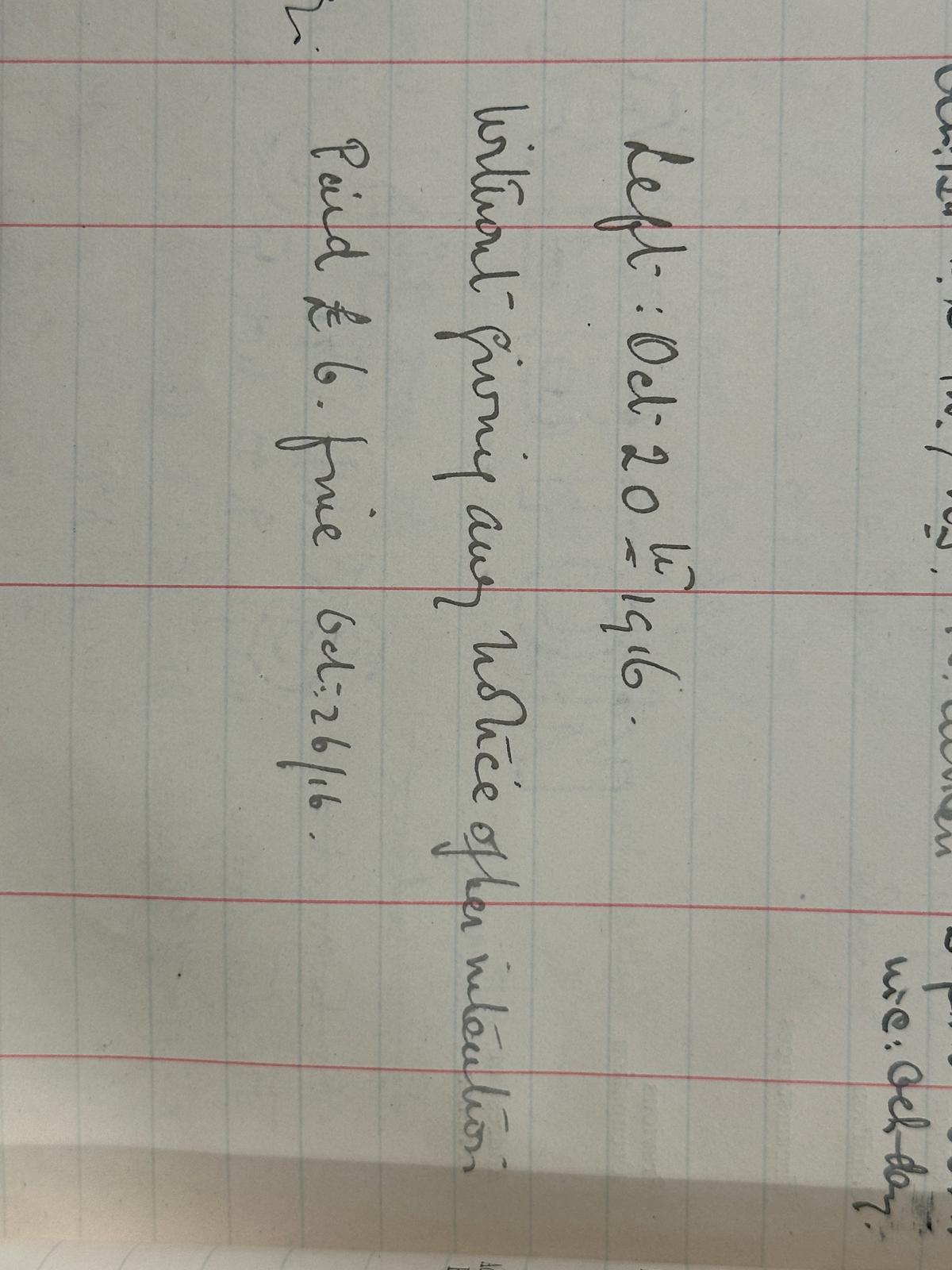
3.What media forms does the profile contain? How does each form affect our understanding of the content?
Data Processing:
Analyse the structure and content of the handwritten archive, identifying the ways in which information is presented.
Compare the structure of modern digital records and explore changes in information organisation and retrieval.
Visualisation:
1.Display images of handwritten archives to compare with modern digital record interfaces.
2.Create a flowchart showing the transformation of information from handwritten to digital.
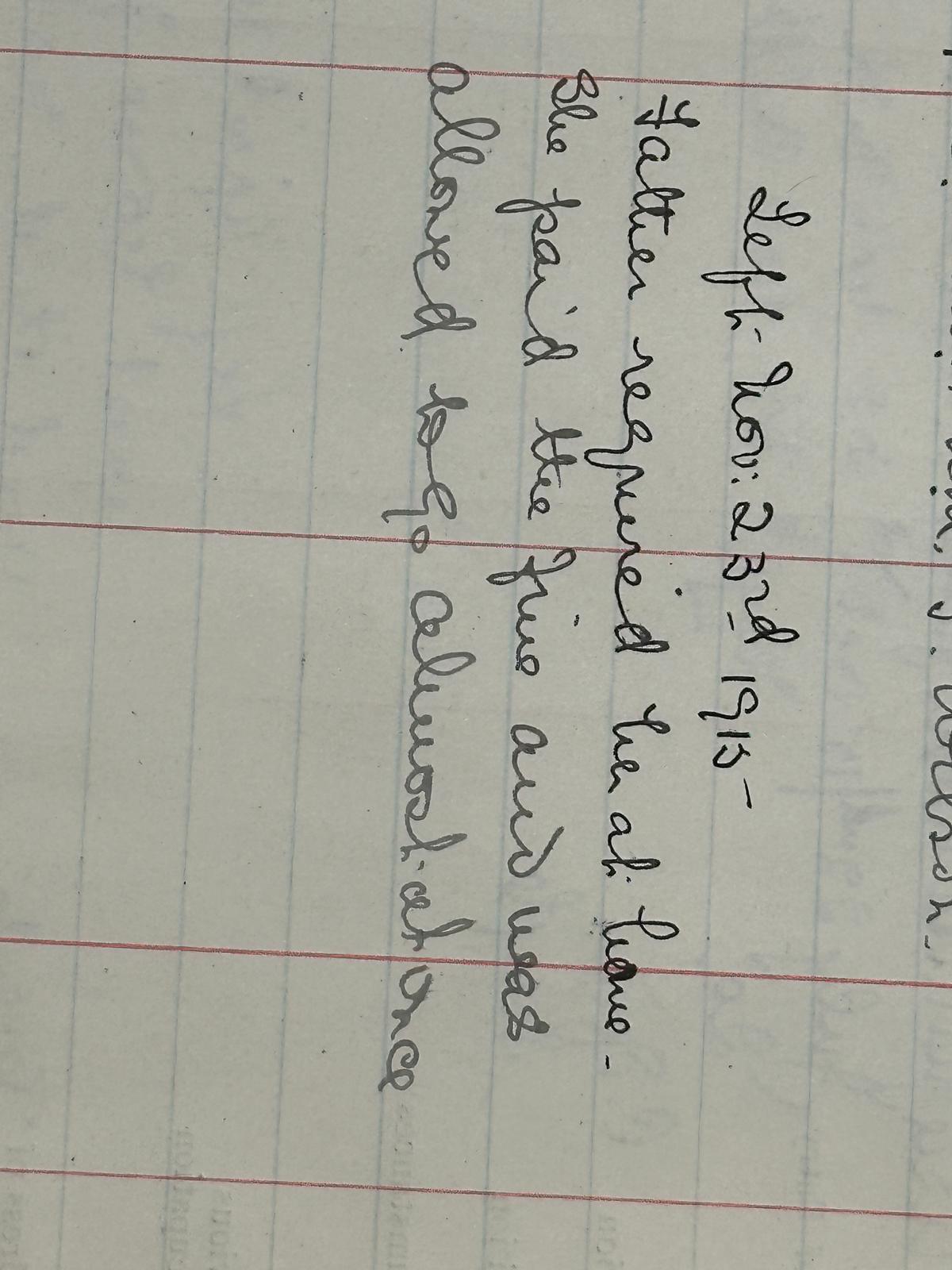
4.How has the use of digital media helped us gain new perspectives on the archive? How else can we improve?
assess the effectiveness of digital tools in archival analysis and explore ways to improve.
Data Processing:
Digitising handwritten archives using OCR techniques to extract textual information.
Apply data analysis tools to identify information patterns and trends.
Visualisations:
Demonstrate archival samples before and after processing with digital tools to compare results.
Create charts and graphs to demonstrate the results of the application of digital tools in information extraction and analysis.
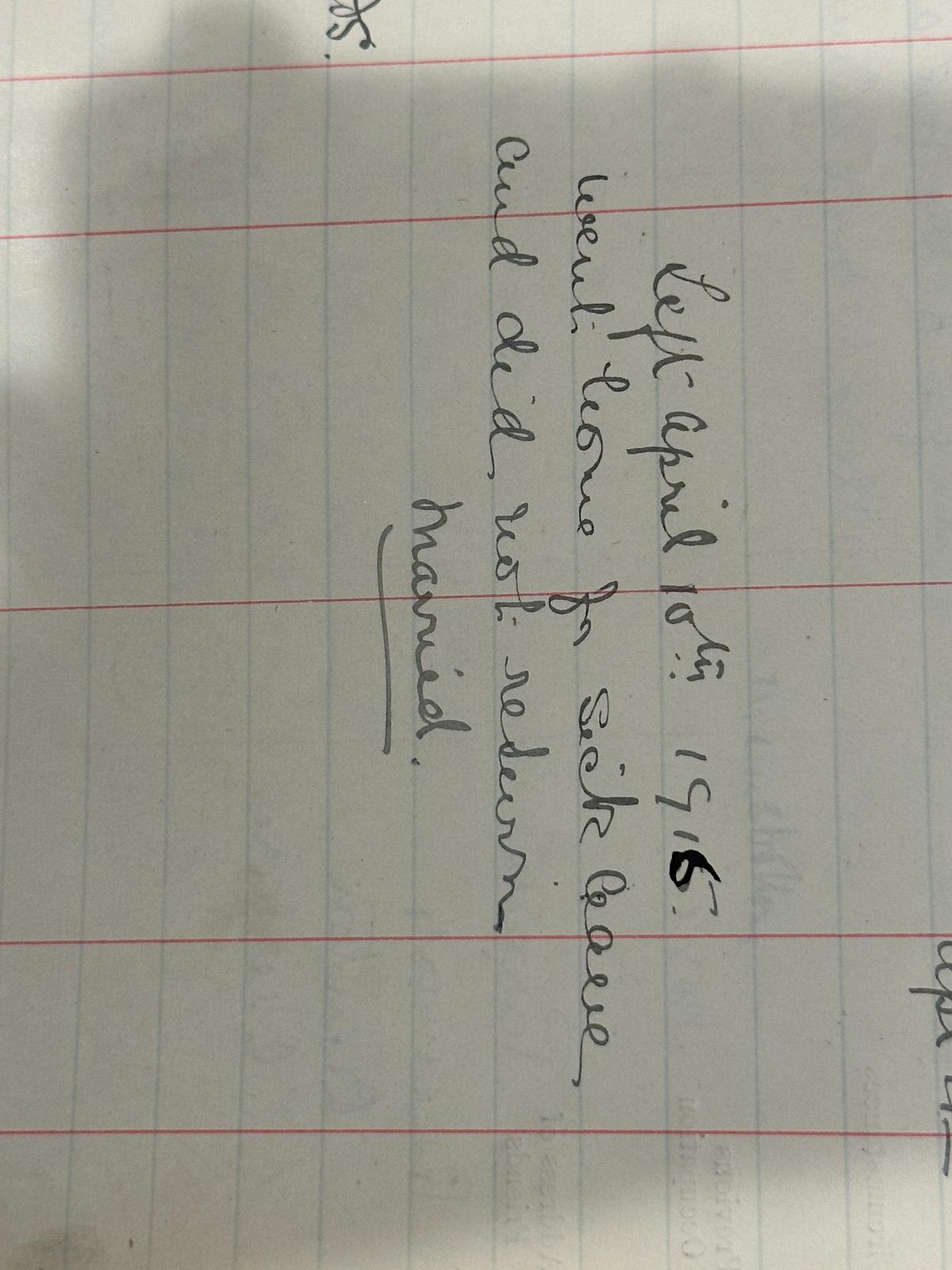
5.what did we learn from the archive? How did we learn?
to reflect on the discovery and learning experience of the archival research process and to explore the implications of historical archives for contemporary nursing practice.
Data Processing:
Document challenges and solutions encountered during the research process.
Summarise key insights and knowledge gained from the archive.
Visualisation:
Create flowcharts to demonstrate the research process and learning path.
Create a knowledge map showing the key insights gained from the archive and their connections.